100 YEARS OF MILITARY HISTORY
Cold War footsteps in the Swedish northern terrain
World War II
Sweden maintains armed neutrality. Military planners recognize the vulnerability of Töre harbor — Sweden's northernmost deep-water port.
Construction begins
In absolute secrecy, Swedish military engineers begin blasting into Hömyrberg mountain. Workers are sworn to silence.
Fortress becomes operational
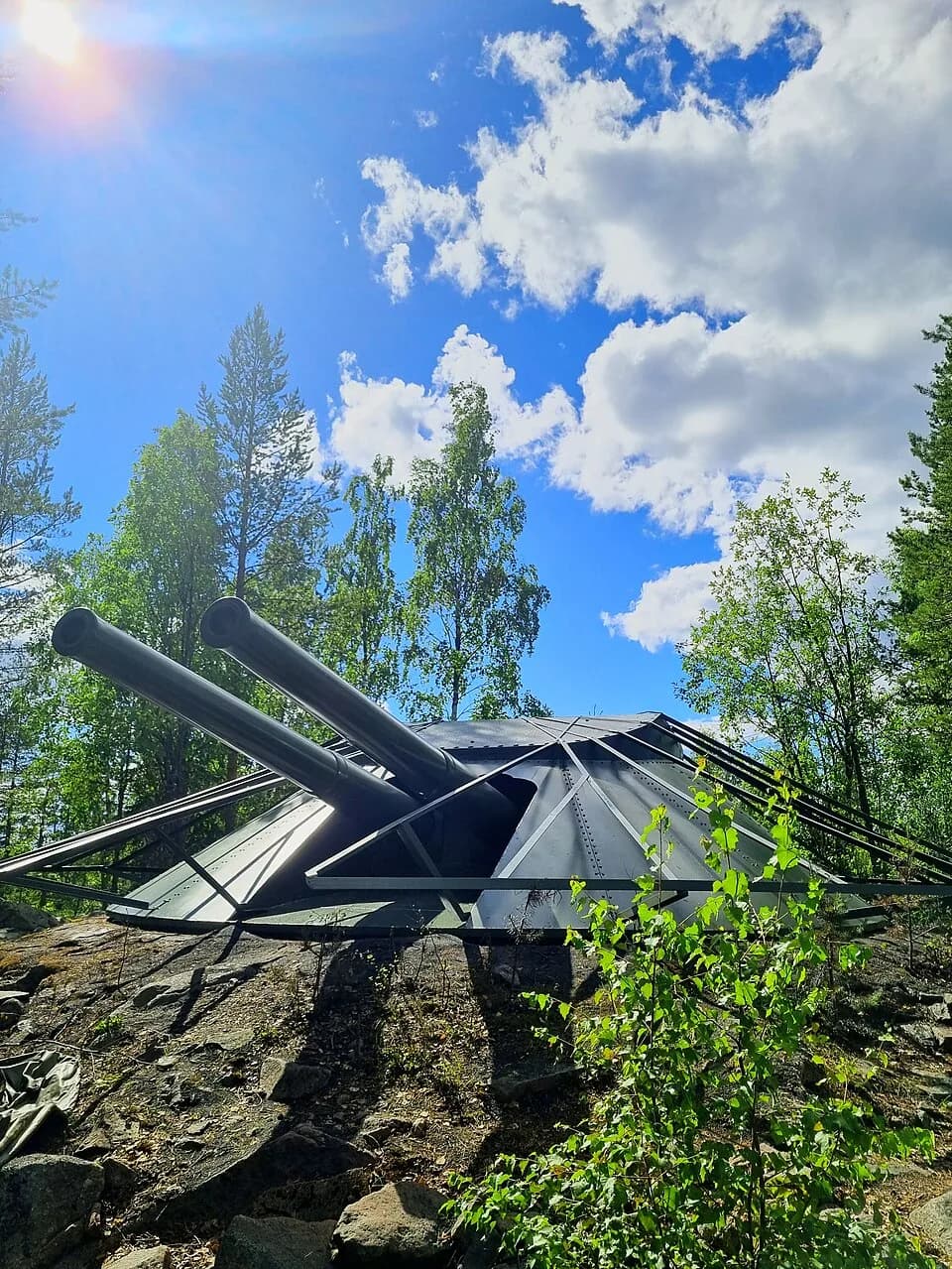
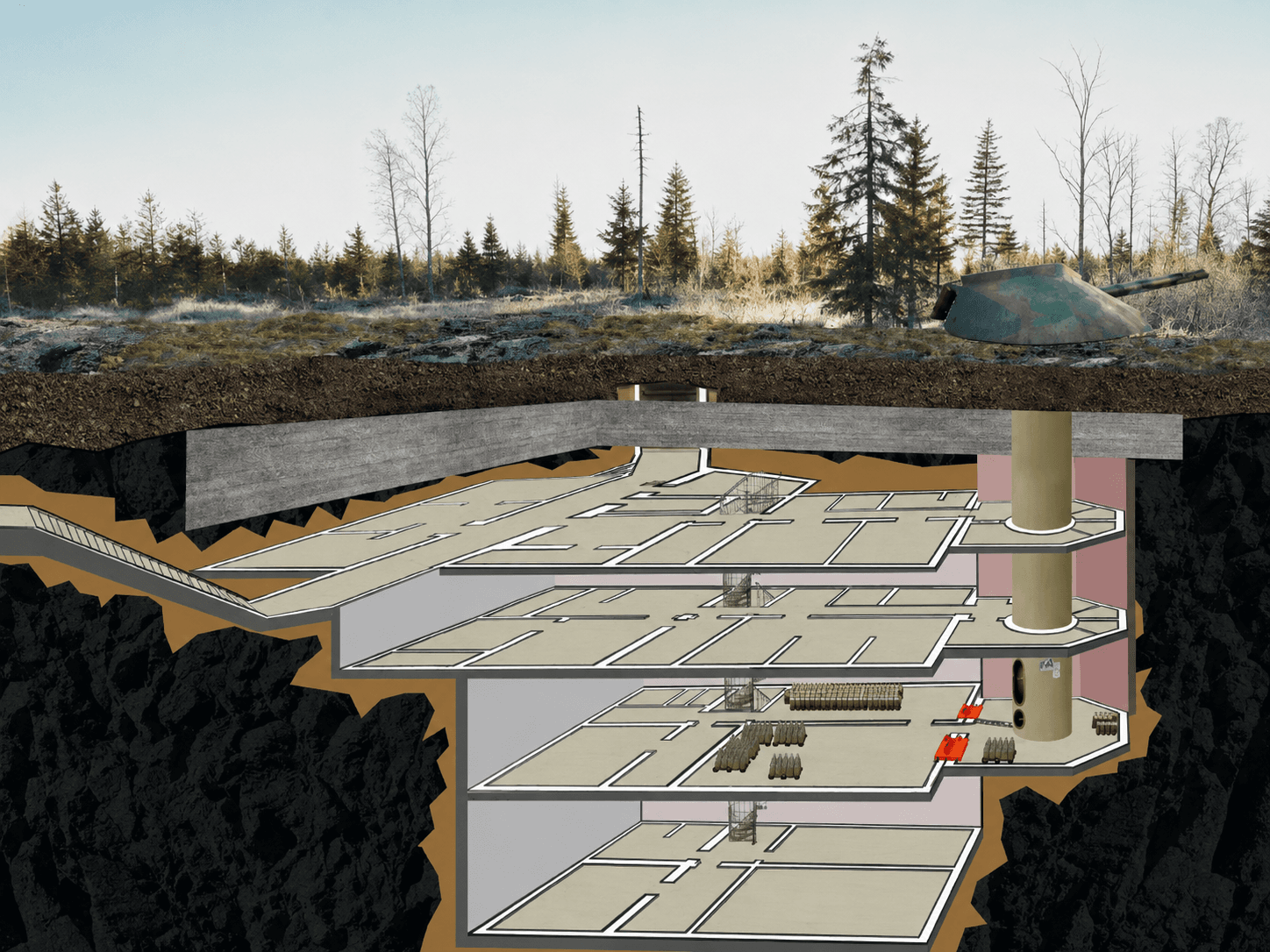
Four complete underground levels carved from solid rock. The fortress becomes a self-contained facility, armed with 15.2 cm guns from HMS Fylgia.
The first submarine hunt
Swedish naval forces detect suspected foreign submarine activity in the Kalix archipelago. A massive submarine hunt is launched.
Second submarine hunt
The incident repeats — among the most dramatic moments of Cold War tension in the Nordic region.
HMS Spiggen II built
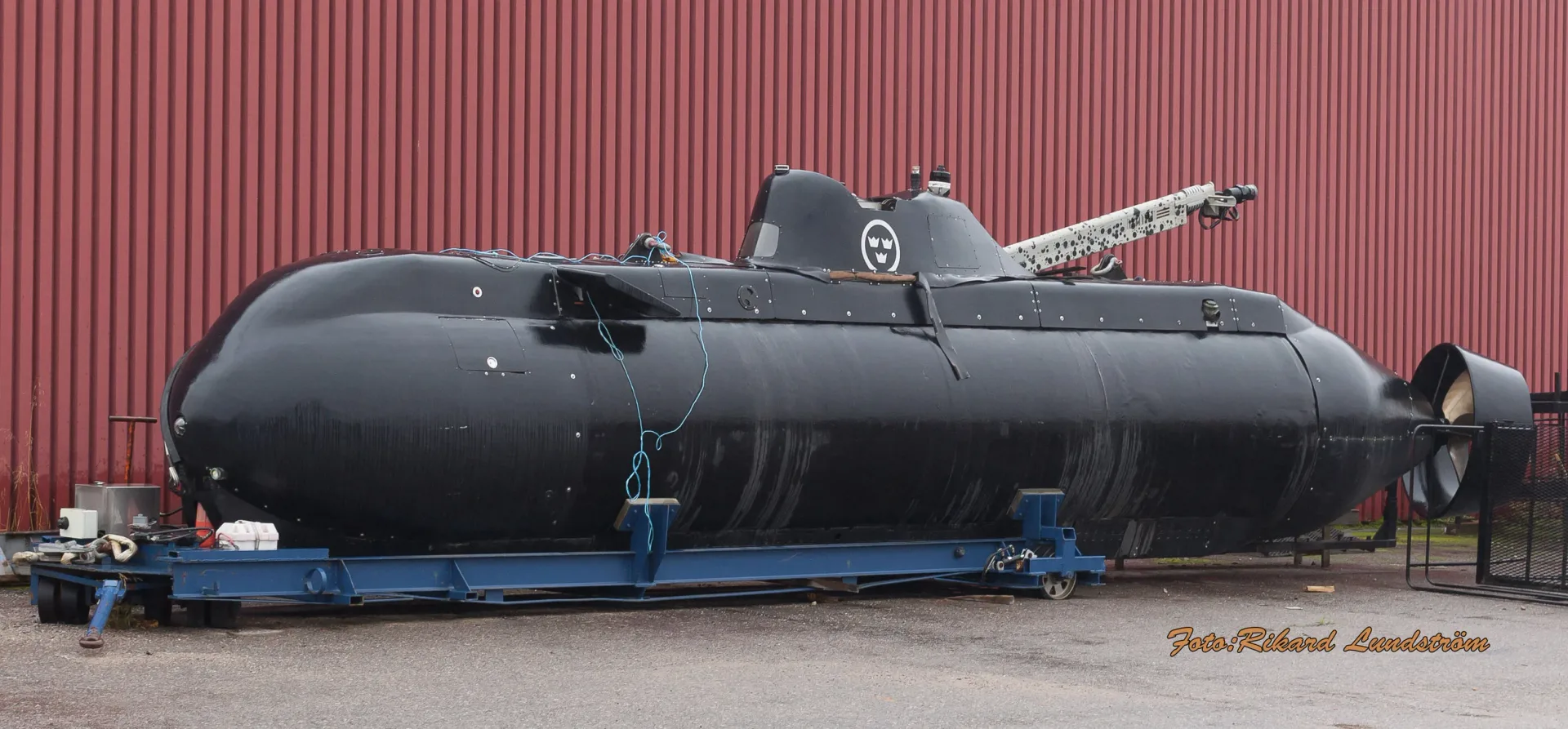
Sweden's only domestically built mini-submarine. 11 meters long, used for submarine hunt exercises.
Fortress decommissioned
With the end of the Cold War and changing defense priorities, the fortress is decommissioned after over 40 years of service.
Museum established
The Stiftelsen Siknäsfortet is established to preserve the fortress as a museum and increase knowledge about the Kalix Line.
AI guide Stig launched
The museum introduces Stig, an AI-powered guide character — one of the first AI-integrated museum experiences in Scandinavia.
FORTRESS CROSS-SECTION
4 UNDERGROUND LEVELS — 40 METERS INTO THE MOUNTAIN